
Helping Local Spa & Pool Owners Get More Years From Their Saltwater Systems
If you own a saltwater pool or spa in Santa Monica, your salt cell is one of the hardest-working components in your entire system. It runs constantly, converts salt into chlorine, and keeps your water clean without the harsh chemical smell traditional systems leave behind. But here’s the problem — salt cells aren’t cheap to replace. A quality replacement cell can cost anywhere from $200 to $900 depending on your system, and most homeowners end up replacing them far sooner than necessary simply because of avoidable maintenance mistakes.
The good news? With the right habits and a little professional guidance, you can significantly extend your salt cell lifespan — often by several years — and protect one of the most expensive components in your saltwater system.
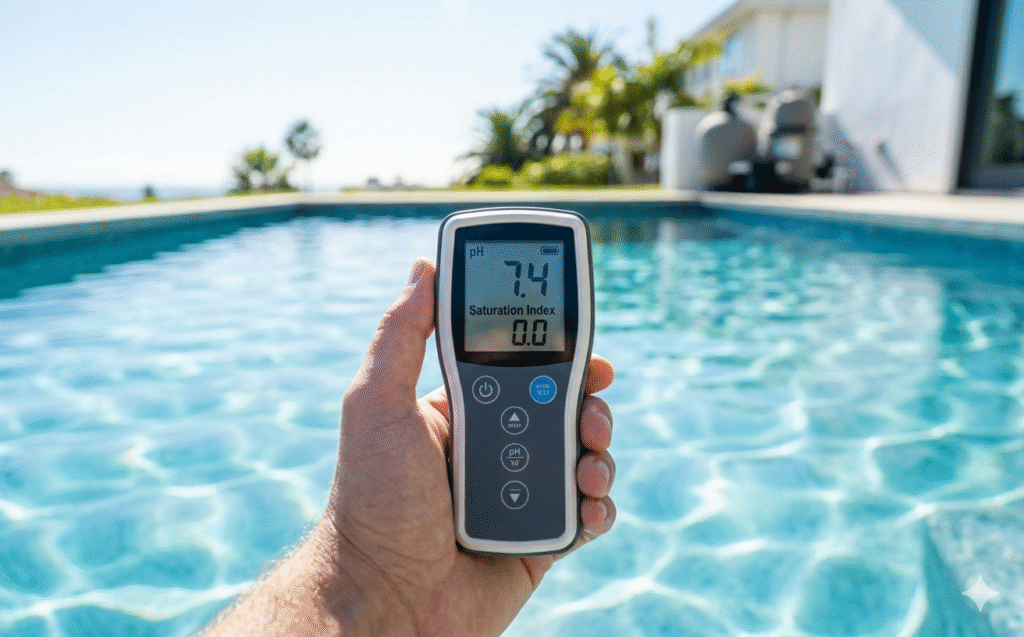
Before diving into extension tips, it helps to understand what you’re dealing with. A salt cell, also called a chlorinator cell or electrolytic cell, uses a process called electrolysis to convert dissolved salt in your water into free chlorine. That chlorine sanitizes your pool or spa water continuously, keeping bacteria and algae under control.
Over time, the metal plates inside the cell — typically coated with titanium and ruthenium oxide — gradually wear down through normal use. Scale buildup, chemical imbalances, and running the cell too hard accelerate this wear dramatically. In Santa Monica’s coastal environment, where water chemistry can shift due to humidity, temperature swings, and mineral-rich water sources, that wear happens even faster without proper care.
Most salt cells carry a rated lifespan of 3 to 7 years. With consistent maintenance, many owners in the area push well past that range.
This is the single most impactful thing you can do for your salt cell. When calcium hardness levels run too high — which is a common issue in Southern California due to hard tap water — calcium carbonate deposits build up on the cell plates. That white, crusty scale acts as an insulator, forcing the cell to work harder to produce the same amount of chlorine. The harder it works, the faster it wears out.
Target ranges to maintain in your Santa Monica pool or spa:
Test your water at least once a week during heavy use seasons and every two weeks during cooler months. Off-balance water doesn’t just threaten your cell — it affects every component downstream.
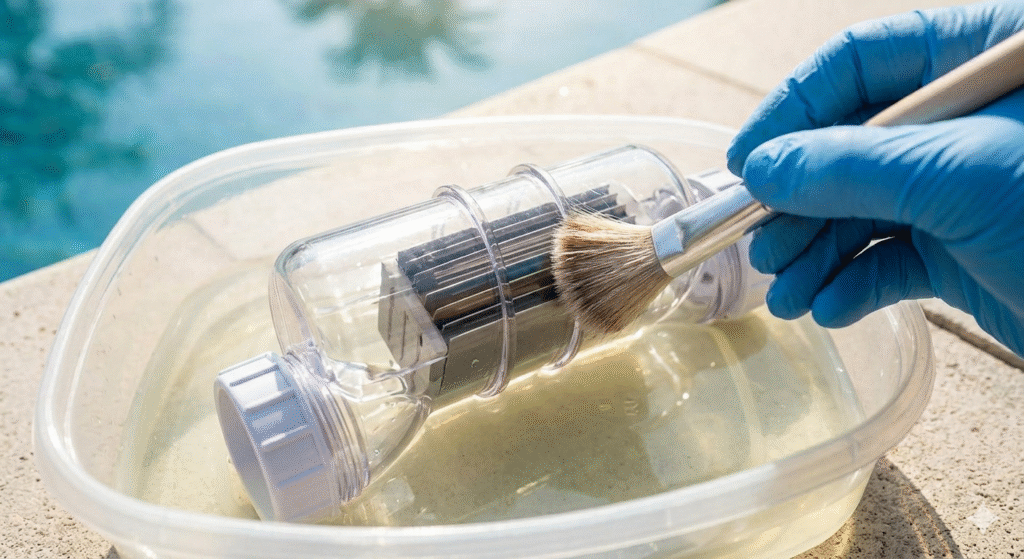
Salt cell cleaning is necessary, but over-cleaning is a real and damaging mistake many pool owners make. The cell plates have a protective coating that wears thinner every time you clean them. Cleaning too frequently — or using tools that physically scrape the plates — shortens lifespan considerably.
The right approach:
Many modern salt systems have self-cleaning or reverse-polarity features that reduce buildup automatically. If your system has this feature, make sure it’s enabled — it genuinely reduces how often manual cleaning is needed.
One of the most overlooked lifespan killers is running your salt cell at unnecessarily high output percentages. Every hour your cell runs at 100% output, it ages faster than it needs to. Many pool and spa owners in Santa Monica crank the output to the maximum setting, thinking it produces better results — but oversaturation doesn’t make your water cleaner, it just burns through your cell.
Instead, dial your output to the minimum level needed to maintain a free chlorine reading of 2–4 ppm. Use a reliable test kit or digital tester to verify levels, then adjust output accordingly based on usage, season, and bather load. Running at 50–70% output for longer periods is always preferable to running at full blast for shorter bursts.
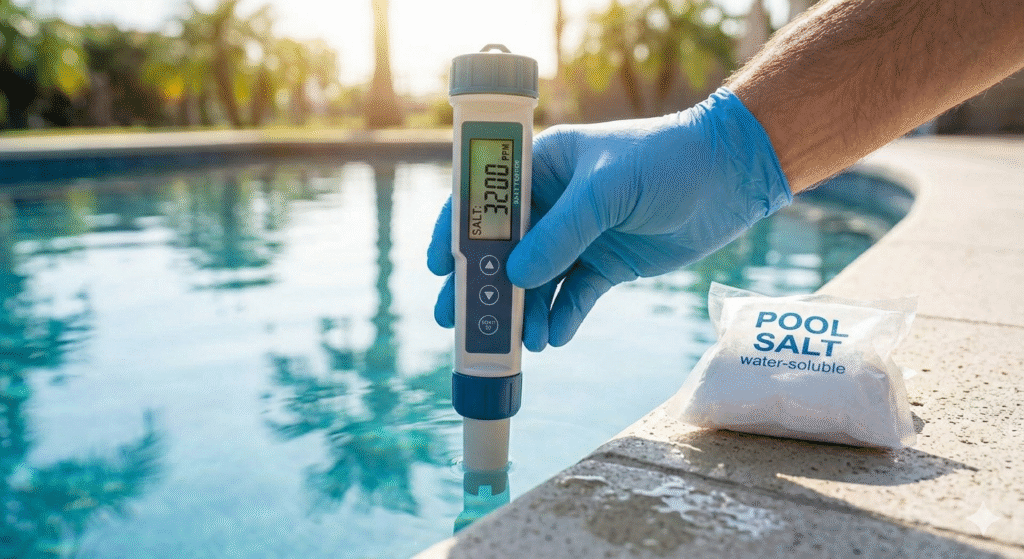
Low salt levels are surprisingly common and surprisingly damaging. When salt concentration drops below the system’s minimum threshold, the cell compensates by working overtime. That extra strain adds unnecessary wear to the plates with every hour of operation.
Check salt levels monthly and top up as needed. Avoid pouring large amounts of salt directly over the cell or near return jets — always add it in front of a skimmer with the pump running to ensure even distribution. Also note that heavy rainfall dilutes your salt concentration quickly, which is worth monitoring after storms in the Santa Monica area.
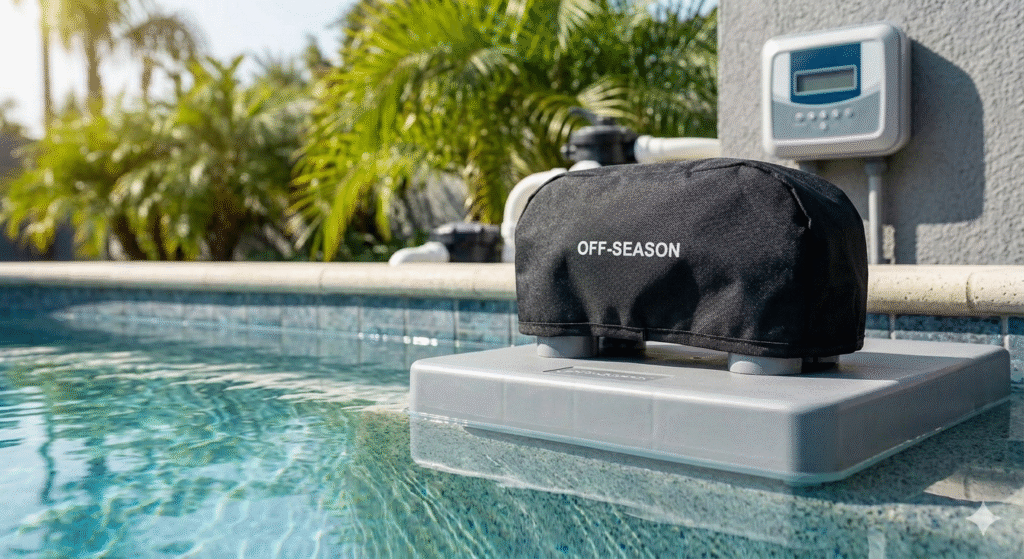
If you’re closing your spa for winter or significantly reducing usage during certain months, don’t leave the salt cell sitting in chemically imbalanced water. Before reducing operation:
Letting a salt cell sit idle in poorly balanced water is like leaving a car engine sitting in dirty oil — it causes slow but cumulative damage that shortens overall service life.
Don’t wait for your system to fail before taking action. Early detection of cell problems can mean the difference between a simple cleaning and a full replacement.
Watch for these warning signs:
When these signs appear, contact a qualified salt system technician in Santa Monica before the issue compounds. A professional inspection at this stage is far less expensive than a full cell replacement later.
Extending your salt cell lifespan isn’t complicated, but it does require consistency and attention to detail. Water chemistry, cleaning habits, output settings, and seasonal care all play interconnected roles in how long your cell actually lasts.
At Crystal Clear Pool & Spa, our technicians work with saltwater systems throughout Santa Monica and the surrounding areas every day. We test water chemistry accurately, clean cells using the correct methods, and identify early warning signs before they become expensive problems. Whether you need a one-time inspection or an ongoing maintenance plan, we help you protect your investment and keep your saltwater system running at peak efficiency.
Don’t wait for your salt cell to fail — schedule a professional inspection with Crystal Clear Pool & Spa today and get more years from your system.
A salt cell generally lasts between 3 to 7 years depending on usage, water chemistry, and maintenance habits. In areas like Santa Monica where hard water and coastal conditions are common, cells can wear out faster without proper care. With consistent maintenance — including regular water balancing, correct output settings, and timely cleaning — many pool and spa owners extend their cell life well beyond the average range.
You should inspect your salt cell every 3 months and only clean it when visible scale or calcium buildup is present. Cleaning too frequently damages the protective coating on the cell plates and actually shortens lifespan. Always use a diluted acid wash solution and never use metal tools or hard brushes that can scratch and erode the plate surface.
The most common causes of early salt cell failure include consistently imbalanced water chemistry, calcium scale buildup on the plates, running the cell at maximum output for extended periods, low salt levels that force the cell to overwork, and improper cleaning techniques. Coastal environments like Santa Monica can also accelerate wear due to temperature fluctuations and mineral-heavy water sources.
Most saltwater systems operate best between 2,700 and 3,400 ppm, though this varies slightly by brand and model. Running below the minimum threshold forces the cell to compensate by working harder, which accelerates plate wear significantly. Check your salt levels monthly and always top up after heavy rainfall, which dilutes concentration faster than most owners expect.
Yes, many lifespan extension habits are DIY-friendly — including weekly water testing, monitoring output percentage, avoiding over-cleaning, and maintaining proper salt levels. However, professional inspections every 3 to 6 months are strongly recommended, especially in Southern California where water hardness and seasonal changes affect chemistry more aggressively. A technician can catch early warning signs that are easy to miss without the right tools.
Key warning signs include chlorine levels dropping despite normal salt and output settings, the system's "inspect cell" or "check cell" indicator light activating repeatedly, heavy scale buildup that doesn't clear after a proper acid wash, reduced water flow through the cell housing, and unusual discoloration on the cell plates. If you notice any of these signs, schedule a professional inspection before the issue leads to a full replacement.
Not necessarily. Running your cell at 100% output doesn't improve water quality — it just burns through the cell faster. The goal is to maintain a free chlorine level of 2 to 4 ppm using the lowest output percentage possible. Most systems run efficiently between 50 and 70% output during regular use. Adjust based on bather load, season, and actual chlorine readings rather than defaulting to maximum output.
High calcium hardness causes calcium carbonate to deposit on the cell plates as white crusty scale. This scale acts as an insulator, blocking electrolysis and forcing the cell to work harder to produce chlorine. In Santa Monica and across Southern California, tap water is naturally hard, making calcium management one of the most critical maintenance tasks for saltwater system owners. Target calcium hardness between 200 and 400 ppm at all times.
Looking to upgrade your pool system or need expert maintenance you can trust? Crystal Clear Pool & Spa is here to help—whether you’re in Los Angeles, Santa Monica, Marina del Rey, El Segundo, or surrounding areas. Contact Us at our local number (310) 745-4775 or reach us at our email.
Beverly Hills, CA
Los Angeles, CA
Santa Monica, CA
Marina Del Rey, CA
El segundo, CA

Crystal Clear Pool & Spa is a locally owned and operated company dedicated to professional pool and spa maintenance throughout California.
Quick Links
WhatsApp us